Hairstylist Interview Questions: What to Ask (and What Great Answers Sound Like)
 Scott Farmer
·
July 1, 2026
·
12 min read
Scott Farmer
·
July 1, 2026
·
12 min read
Quick Answer: The best hairstylist interview questions dig into three things: skill, culture fit, and business sense. Ask about their rebooking rate, how they handle an unhappy client, and what their column looked like at their last salon. Strong candidates give you numbers and specifics. Red flags dodge the money questions and blame every past boss.
TL;DR:
– Interview for three buckets: skill behind the chair, culture fit, and business sense.
– Make them show work. A live cut or a color correction story tells you more than a resume.
– Ask about rebooking and retail. A stylist who tracks their own numbers is gold.
– Watch for the blamers. If every old salon was “toxic,” they are the pattern.
– Sell your chair too. Good stylists are interviewing you back.
I have hired a lot of stylists. When I owned JScott Salon I built a full team from scratch, and I made every hiring mistake in the book before I got good at it.
The worst hire I ever made had a beautiful portfolio and said all the right things. She lasted five months. Her clients did not rebook, she showed up late twice a week, and she treated my front desk like the help.
The problem was not her talent. The problem was I asked the wrong questions.
Most salon owners interview like they are casting a hair show. They look at the work and fall in love. But the chair is a business seat, not an art project. You are handing someone your clients, your reputation, and a piece of your rent. The interview is where you find out if they can carry that.
Let me walk you through the exact questions I ask now, what a strong answer sounds like, and the red flags that tell me to keep looking.
What Should You Actually Interview a Stylist For?

Three buckets. That is it.
Skill behind the chair. Can they do the work at the level your clients expect? Not just their best work. Their Tuesday-at-4pm-tired work.
Culture fit. Will they make your salon better or drag the room down? One toxic stylist can run off two good ones and a fistful of clients.
Business sense. Do they understand that a full column pays their bills? A stylist who thinks marketing is the owner’s job will never fill their chair.
Skip any one of these and you get burned. A brilliant colorist who poisons the team is a bad hire. A sweetheart who cannot fill a Saturday is a bad hire. You want all three.
If you have not thought through what your salon needs before you hire, read how to hire stylists for your salon first. Interviewing is step two. Knowing what you are hiring for is step one.
The Actual Interview Questions, Grouped by Theme
Here are the questions I keep on a printed sheet. I ask the same core set every time so I can compare candidates fairly.
Skill questions:
– Walk me through your last color correction. What went wrong and how did you fix it?
– What service do clients ask you for by name?
– Show me three looks from your portfolio and tell me the formula behind one.
– A client brings in a photo you know will not work on her hair. What do you say?
– Would you be open to a live cut or color model during this process?
Culture fit questions:
– Tell me about a coworker you clashed with. What happened?
– What does a great work day feel like to you?
– Why are you leaving your current salon?
– How do you handle it when the front desk double-books you?
– What would your last three clients say about you?
Business sense questions:
– What was your rebooking rate at your last salon?
– How do you fill a slow week?
– What retail did you sell, and how did you talk about it?
– How do you get new clients on your own?
– Where do you want your income to be in two years, and what is your plan to get there?
Red flag probe questions:
– Why did you leave the salon before your last one?
– What is one thing you would change about how you work?
– Tell me about a time you dropped the ball with a client.
– What did your last owner do that drove you crazy?
That last one is a trap on purpose. I want to hear how they talk about a former boss. More on that below.
What Does a Strong Answer Actually Sound Like?
The words matter less than the pattern. Strong candidates give you specifics, numbers, and ownership. Weak ones give you vibes, blame, and dodges.
Here is how I score the big ones.
| Question | Strong answer sounds like | Red flag |
|---|---|---|
| What was your rebooking rate? | “About 70 percent. I book the next appointment before they pay.” | “I never really tracked that.” |
| Why are you leaving your salon? | “I have outgrown the commission split and want to build my own column.” | “The owner was toxic and everyone hated it.” |
| Walk me through a color correction. | Names the problem, the fix, and what she learned. | Cannot recall one, or says she never has issues. |
| A client wants a look that will not work. | “I show her what her hair can do and offer a plan to get there.” | “I just do what they ask so they leave happy.” |
| What retail did you sell? | “I recommended two products per color client. It protected my work.” | “I do not push product. That is not me.” |
| Tell me about a coworker clash. | Owns her part, describes how she fixed it. | Every story ends with someone else being the problem. |
See the thread? The strong answers put the stylist inside the story with the client and the numbers. The red flags float above it all and point the finger somewhere else.
When I worked independent, renting my own space, I lived and died by my rebooking rate. If a stylist has never thought about that number, they have been coasting on a salon that fed them clients. That is fine to know. Just know it before you hire.
Ready to run your salon like a business, not a hobby? The $17 Salon Owner Starter Pack gives you the budget template, pricing guide, and price increase scripts I wish I had when I was hiring my first team. It pays for itself the first time you make a smarter hire.
What Are the Biggest Red Flags in a Stylist Interview?
Some red flags are loud. Some are quiet. The quiet ones cost you more.
The serial blamer. Every past salon was toxic. Every old boss was crazy. Every coworker was jealous. Here is the thing. If you are the one person in every room, you are not the victim. You are the pattern. This is the single most reliable red flag I know.
The number dodger. Ask about rebooking, retail, or column size and they get vague fast. “I never really tracked that” can be honest. But if they dodge every business question, they see the chair as a paycheck, not a book of business they own.
The over-promiser. “I never have unhappy clients.” “I can do anything.” Real stylists have war stories. Someone with zero scars either has no experience or no honesty.
The photo faker. A portfolio full of gorgeous work but no formulas, no process, no story behind the looks. Ask for the formula on one image. If they freeze, that may not be their work.
The ghoster in training. Late to the interview, no follow-up, vague on availability. How they treat the interview is a preview of how they treat your Saturdays.
None of these are automatic no’s on their own. But two or three together, and I pass. I learned that the hard way with the beautiful-portfolio hire who lasted five months.
Should You Ask About Employment Status and Pay in the Interview?
Yes. Get it on the table early so nobody wastes a day.
Be clear on whether this is an employee role or a booth rent or independent situation. These are very different jobs with very different rules, and mixing them up can get you in real trouble with the IRS. If you are fuzzy on the line, read salon employee vs independent contractor before you interview anyone. Misclassifying a stylist is a fast way to a fine.
Then talk money in plain terms. Commission split, hourly plus commission, or booth rent. What the stylist keeps. What you provide. A good stylist will ask sharp questions here. That is a green flag, not a red one. It means they think about income, which means they will work to fill their chair.
If this is your first time bringing someone on, how to hire your first salon employee walks through the paperwork and payroll side so you do not miss a step.
And write down your rules before day one. A clear salon employee handbook prevents half the fights that make stylists quit. I have watched good teams fall apart over things a one-page policy would have settled.
How Do You Test Skill Without Just Trusting the Portfolio?
Make them show you. A resume is a story. A model day is the truth.
For any serious candidate, I set up a paid trial or a model service. Give them a real head of hair and watch how they work. Not just the finished look. Watch the consultation. Watch how they hold the room. Watch whether they clean their station.
I once had a candidate with a stunning portfolio who could not hold a straight conversation with a nervous client. On paper she was the best applicant. In the chair she was a no. The model day saved me from a five-month mistake, round two.
If you cannot do a full model day, ask for a live redo of a small section, or a detailed walk-through of a recent formula. You want to see them think, not just see the after photo.
One more thing. A great stylist is interviewing you too. The best ones have options. So sell your chair. Tell them why stylists stay, what your busiest ones earn, and how you help them grow. If you want to keep good people once you land them, how to keep stylists from leaving is the other half of this equation. Hiring well and keeping people are the same skill in two coats.
Back in my Toni and Guy days I saw how a strong system and a clear ladder made stylists want to stay and grow. That stuck with me. The interview is where you start showing a candidate that ladder exists.
Put It All Together
Interview for three buckets. Skill, culture, business sense. Ask the same core questions every time so you can compare fairly. Listen for specifics and ownership. Walk away from the blamers and the number dodgers. And make anyone serious prove it with a model day.
Do that, and you stop hiring beautiful portfolios that flame out in five months. You start hiring stylists who fill their chair, respect your team, and make you money.
Want the templates that make every hire more profitable? Grab the $17 Salon Owner Starter Pack. Budget template, pricing guide, and the exact price increase scripts I use. One good decision and it pays for itself.
And if you are ready to run your whole salon like the business it is, HSP Pro gives you the full system, from hiring to pricing to keeping your best people. It is where salon owners go to stop guessing and start growing.
Frequently Asked Questions
What questions should I ask when interviewing a hairstylist?
Ask across three areas. For skill, ask them to walk through a color correction. For culture fit, ask why they are leaving their current salon and about a coworker clash. For business sense, ask their rebooking rate and how they fill a slow week. The mix tells you if they can do the work, get along, and fill their own chair.
How do I know if a stylist is a good culture fit?
Ask how they handle a double-booking, what a great work day feels like, and about a coworker they clashed with. Strong candidates own their part of a conflict and describe how they fixed it. Serial blamers who make every past salon the villain are the ones who will drag your room down.
What are red flags in a hairstylist interview?
The biggest red flags are the serial blamer who trashes every past boss, the number dodger who gets vague on rebooking and retail, and the over-promiser who claims to never have an unhappy client. Being late to the interview or vague on availability is a preview of how they will treat your busy days.
Should I do a working interview or skills test?
Yes. A portfolio is a story, so make serious candidates prove it. Set up a paid trial or a model service and watch the whole thing, including the consultation and how they clean their station. A model day catches problems a resume hides and saves you from a costly bad hire.
Should I talk about pay and employment status in the first interview?
Yes, get it on the table early. Be clear on whether it is an employee, booth rent, or independent role, since the rules are very different and misclassifying a stylist can bring IRS trouble. Then lay out the commission split or rent in plain terms so nobody wastes a day.
What salon owners ask next
Once I hire someone, how do I make sure they stay?
The first 90 days set the pattern. Stylists who feel seen and clear on their pay plan stay far longer than ones left to figure it out alone. The systems that actually reduce turnover are in how to keep stylists from leaving your salon.
What should I put in writing before my new hire starts?
Your pay structure, schedule expectations, service standards, and phone policy at minimum. Stylists who sign something clear on day one have far fewer complaints later. The full list of what to cover is in how to write a salon employee handbook.
Am I hiring an employee or a booth renter and does it change the interview?
Yes, significantly. An employee interview focuses on culture fit and your standards since you control their work. A booth renter interview is more like vetting a business partner — you want someone with a built book who can run independently. The legal difference matters too. The full breakdown is in booth rental vs commission 2026.
Free Download
Get the Salon Profit Calculator
See exactly where your salon is losing money — in under 5 minutes.
Download Free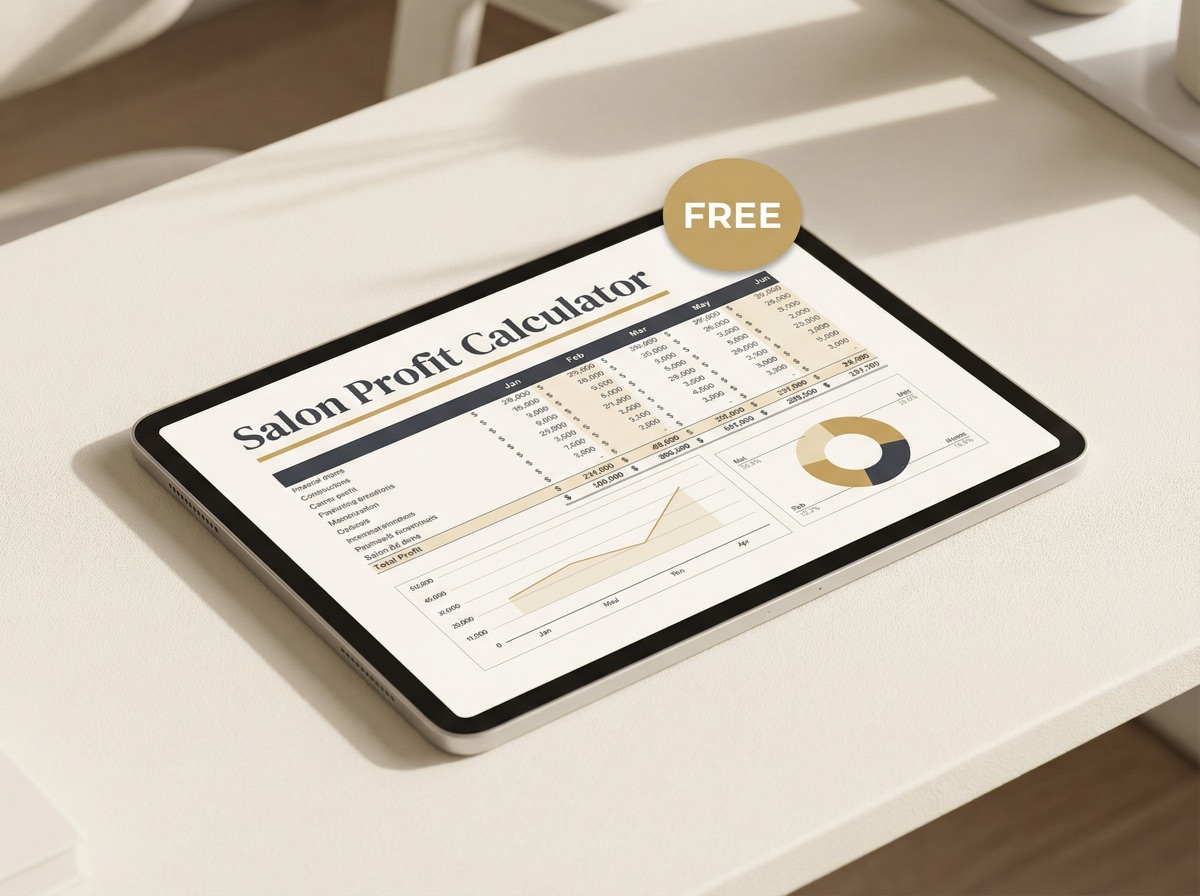
Written by Scott Farmer
Licensed Master Cosmetologist (GA & FL), former Toni & Guy Artistic Director, and founder of Hair Salon Pro. 30+ years behind the chair. 15,000+ clients. Building the business tools cosmetology school never taught. Currently behind the chair at scottfsalon.com in Venice, FL.