What Do Salon Clients Expect in 2026? (And Why It Changes What You Can Charge)
 Scott Farmer
·
July 12, 2026
·
11 min read
Scott Farmer
·
July 12, 2026
·
11 min read
I’ve been behind the chair for over 30 years. I opened JScott Salon, built my own independent clientele as Scott Farmer Hair Stylist, and now run Hair Salon Pro out of Venice, Florida. In that time, I’ve watched client expectations shift so dramatically that what impressed them in 2016 looks like the bare minimum today.
Here’s what most salon owners miss: every time client expectations rise, the floor on what you can charge rises with it. If you’re still operating like 2016, you’re either leaving money on the table or losing clients to whoever figured this out first.
Let me walk you through exactly what changed and what you need to do about it.
Why Salon Client Expectations Shifted So Fast

Between 2016 and 2026, your clients went through:
- A global pandemic that rewired their relationship with every service business
- A decade of on-demand everything (Amazon, DoorDash, Uber)
- Social media turning every service provider into a searchable, reviewable public figure
- Economic pressure that made every $150 to $300 appointment feel like a deliberate decision
The clients walking into your salon today are more informed, more price-aware, and more demanding than ever. But they’re also more willing to pay premium prices when you meet their standards. The stylists who understand this are adding $500 to $2,000 per month to their income without touching a single extra client.
5 Things Clients Expected in 2016 That Are Now Gone
Before we get to what they want now, it helps to understand what’s been retired:
Walk-in availability. Expecting an open slot without booking in advance. That’s mostly gone except in budget salons.
Paper client cards. The handwritten formula card in a recipe box. Clients assume you’re tracking their history digitally.
Phone-only booking. Calling the salon during business hours and hoping someone picks up. A growing segment won’t even try.
Checkout price surprises. “The toner was extra, so your total is $195.” Clients want to know what they’re walking into.
Zero digital communication. Showing up for an appointment with nothing but a calendar reminder they set themselves.
These aren’t expectations anymore. They’re dealbreakers for a significant portion of your potential market. And losing clients to these gaps is especially painful because those clients never tell you why they left.
What Salon Clients Expect in 2026
1. Online Booking Is the Baseline, Not a Differentiator
In 2016, having online booking made you stand out. Clients were genuinely impressed. In 2026, if you don’t have it, you’re invisible to a growing segment of your market. Industry data from software platforms consistently shows that the majority of bookings now happen outside business hours, which means phone-only booking leaves money sitting uncollected.
I started using booking software when I was still running JScott Salon. Back then it felt like a competitive edge. Today it’s the cover charge to play the game.
What this means for your pricing: when you offer online booking plus instant confirmation plus automated reminders, the relationship starts before the client sits in your chair. That pre-appointment impression has real value. Clients perceive it as professionalism, which justifies higher prices.
2. Transparent Pricing Before They Even Book
Your clients are doing research before they pick up a phone or tap “book now.” They’re checking your Instagram, reading your Google profile, and scanning your website. If they can’t find prices, most of them leave. Not to call you. To find someone whose prices are posted.
I’ve heard the argument: “Every client is different, so I can’t post a price.” That’s true. But the fix isn’t hiding your pricing. The fix is posting your base prices with a clear explanation of what drives the final number.
“Color from $95 based on length and formula time” gives clients a budget anchor without locking you into a flat rate. It lets them self-qualify before investing in the appointment.
From my experience tracking numbers at JScott Salon, clients who knew my price range before booking rebooked at higher rates than those who were surprised at checkout. Price clarity builds trust before you ever shake someone’s hand.
3. Multi-Touch Digital Communication
Your client wants a confirmation the moment they book. They want a reminder 48 hours out. They want a reminder 24 hours out. Some want a same-day nudge 2 hours before.
In 2016, one reminder call the day before was considered attentive. In 2026, automated text-based communication at every stage is the expectation. The business case here is airtight: clients who receive consistent reminders no-show at a fraction of the rate of clients who don’t.
If you’re missing this piece, run this math for yourself. Take your average service price, multiply by your weekly no-show count, multiply by 50 weeks. That’s your annual no-show cost. Most stylists I work with are losing $4,000 to $9,000 a year to this single gap. Most booking software fixes it automatically once it’s configured.
4. A Visible Personal Brand
I spent years working under the Toni and Guy brand as an Artistic Director, and one thing they understood early was that stylists ARE brands. By 2026, your Instagram, your Google presence, your YouTube, or even just your updated Google Business Profile is your new business card.
Clients research stylists before they book. They look at before-and-afters. They read how you respond to reviews. They watch how you interact in your social content. They form an impression of you before you ever meet.
Here’s what this translates to in real money: a stylist with a visible, professional social presence can charge meaningfully more than an equally skilled stylist with no online footprint. The client perceives more value because they feel like they already know you, which is a form of personalization before you’ve even met. The relationship starts before the first appointment.
This isn’t vanity. It’s positioning that gets priced into your services, and it is what turns a one-time booking into loyalty.
5. Clear Cancellation and Deposit Policies
In 2016, most clients found cancellation fees uncomfortable. In 2026, they expect them. The pandemic normalized “you miss the slot, you pay a portion” policies across every service industry, from doctors to personal trainers to hair salons.
More importantly, clients respect stylists MORE who have clear policies. A stylist who charges for late cancellations is communicating something specific: my time has value. Clients who value their stylist’s time stay longer, rebook more consistently, and tip better.
The practical step: require a card on file at booking and state the fee clearly in your confirmation and reminder messages. When the policy appears three times before the appointment, you’ve eliminated the surprise. Most clients who were going to cancel do so with enough notice to be replaced. The ones who don’t, pay a portion of your lost income.
6. Product Transparency and Clean Options
This one caught a lot of veteran stylists off guard. Clients are asking about what’s in the products you use. They want to know if you carry gentler options, if your color line is lower in harsh chemicals, and increasingly whether your choices reflect any kind of environmental consideration.
This isn’t a fringe ask anymore. Younger clients in particular are making service decisions based on whether the stylist’s values match their own. You don’t need to overhaul your back bar. You need to know your product story and be able to talk about it with confidence.
Stylists who can speak clearly about why they use what they use build trust that translates into longer client relationships and higher average tickets.
7. Fast, Digital Checkout
Cash isn’t dead, but clients expect options. Tap to pay. Emailed receipts. The ability to add a tip on screen. A checkout that takes 30 seconds instead of 3 minutes.
Slow, clunky payment processing creates friction at exactly the wrong moment, right when the client should be leaving feeling great about the appointment. Friction at checkout suppresses tip amounts and shortens the positive emotional window that drives rebooking.
8. Client Notes That Prove You Remember Them
If a client has to re-explain their hair history every single visit, they feel like a ticket number. The salons winning right now store client notes. Formulas, scalp sensitivities, life events, preferences. And they reference them. This kind of personalization is the cheapest retention tool in the entire list.
“I remembered you mentioned wanting to go lighter before your trip” is the sentence that locks in a client for three years. It costs nothing except attention and a booking system with a notes field.
Clients who feel remembered refer people and stay loyal longer. Clients who feel like strangers keep looking for someone who will personalize the visit for them.
How This Changes What You Can Charge
Here’s the part most stylists miss: when you deliver on these eight expectations, you’re not selling a haircut anymore. You’re selling a managed experience, and that carries a higher dollar value than the technical service alone.
The stylists I work with who raise prices and keep 85 to 95% of their clients aren’t doing more technical work. They’re delivering a standard that clients can feel at every touchpoint, from booking confirmation to checkout, and that standard is what builds loyalty over time.
The price increase is justified because the floor has already risen. If you’re charging 2016 prices but delivering what 2026 clients now expect as baseline, you’re undercharging. Full stop.
If you’re charging premium prices without the infrastructure to back them up, you’ll keep losing clients to whoever does.
The question isn’t whether to raise prices. It’s whether what you deliver is already worth more than what you’re charging.
The 3 Places to Start This Week
Don’t try to fix all eight at once. Start where you’ll see the fastest return:
If you have a high no-show rate: Set up automated reminders in your booking software. Most platforms take under 30 minutes to configure. The ROI is immediate.
If new clients aren’t finding you: Get your base prices and a few before-and-afters on your Google Business Profile. This single move drives more walk-in and new bookings than almost anything else.
If your rebooking rate is below 60%: Start keeping notes after every appointment. One personal detail per client per visit. Reference it next time. Watch your rebooking rate climb over 90 days.
This is not a niche problem. The Bureau of Labor Statistics projects faster-than-average job growth for hairstylists and cosmetologists through 2033, which means more chairs competing for the same clients every year. The stylists who meet these expectations first keep their books full and their prices climbing.
Want to know exactly how much these gaps, and the retention they’re costing you, add up to? Check your numbers with the free Salon Profit Calculator and see where the leaks are.
Or if you want a faster read on your specific situation, take the free Profit Audit and get a clear picture of your biggest opportunity this month.
Frequently Asked Questions
Do I have to raise prices if I upgrade my client experience?
No, but you can. Upgrading your experience reduces no-shows, improves rebooking rates, and generates more referrals. Most stylists who close these gaps find they have a natural opening to raise prices by $10 to $25 per service within 60 to 90 days without client pushback.
What booking software handles all of this in 2026?
Vagaro, GlossGenius, and Square Appointments each cover online booking, automated reminders, card on file, and client notes. The best choice is the one your clients will actually use to book. Most platforms offer a free trial. Test one for 30 days before committing.
How do I explain a cancellation fee to a client who’s never paid one before?
Present it before they book, not after they cancel. State the policy in your booking flow, in your confirmation, and in your reminders. When clients have seen the policy three times before their appointment, the conversation after a cancellation is straightforward instead of confrontational.
Should I post exact prices or ranges?
Post a starting price with a short explanation of what affects the final number. “Color from $95, final price based on length, formula time, and technique” gives clients a clear budget anchor without limiting you on complex services. It also pre-qualifies clients who can’t afford your minimum.
How often should I review my pricing?
Every January, minimum. If your product costs, rent, or software subscriptions increased more than 5% during the year, add an interim review in July. The stylists protecting their margins are reviewing at least twice a year. The ones watching their take-home shrink are reviewing never.
How do I know if my experience is meeting 2026 standards?
After each appointment, send a one-question text: “How likely are you to recommend us? Just reply with a number, 1 to 10.” Consistently below 8 means something in the experience is falling short. Your rebooking rate tells the same story: below 65% means clients aren’t compelled to come back.
What People Ask Next
How do I raise prices without losing clients I’ve had for years?
Give 45 to 60 days notice. Deliver the news with a clear reason (supply costs, time constraints, service investment) and genuine warmth. Raise one service category at a time rather than everything at once. Long-term clients typically accept increases when they feel respected in the communication. Clients who leave over $10 to $15 usually weren’t profitable at the old price anyway. See also: How to Raise Salon Prices With Existing Clients.
What’s the fastest way to fill slow days using the upgrades I just made?
Reactivation texts. Pull your list of clients who haven’t booked in 90 or more days. Send a personal text referencing something specific from their last visit. A 10% response rate on a list of 40 lapsed clients can fill a slow week in 48 hours with no advertising spend. The client notes you started keeping make those texts feel personal instead of generic. See also: How to Fill Slow Days at Your Salon.
If a client leaves because of my new policies, how do I replace them?
Every client who leaves over a price increase, cancellation policy, or booking requirement creates room for a client who values what you’re offering. The fastest replacement source is referrals from your retained clients, especially if you ask directly. Something simple like “I’m taking on a few new clients, do you have anyone who might want to get in?” works consistently. Your Google Business Profile and social presence do the rest.
Internal links used: Salon Profit Calculator, How to Raise Salon Prices With Existing Clients, How to Fill Slow Days at Your Salon, Google Business Profile for Salons
Free Download
Get the Salon Profit Calculator
See exactly where your salon is losing money — in under 5 minutes.
Download Free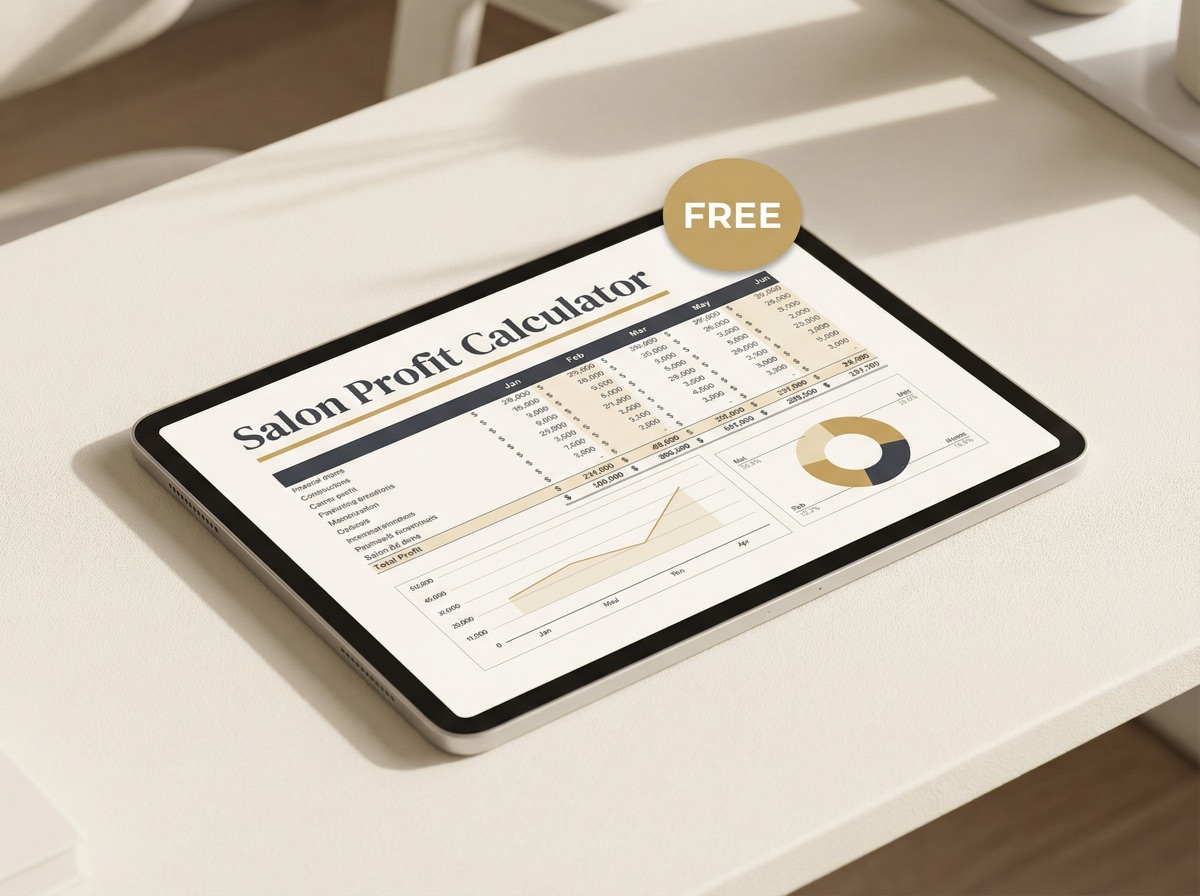
Written by Scott Farmer
Licensed Master Cosmetologist (GA & FL), former Toni & Guy Artistic Director, and founder of Hair Salon Pro. 30+ years behind the chair. 15,000+ clients. Building the business tools cosmetology school never taught. Currently behind the chair at scottfsalon.com in Venice, FL.